
Daily Nutrition and Wellness Tips for Men
Natural supplements for men work best when they are part of a broader nutritional strategy. You cannot out-supplement a poor diet, but you can use vitamins and minerals for men to enhance the benefits of healthy eating. This page provides actionable advice on how to structure your daily intake, manage your macro-nutrients, and use healthy lifestyle products to achieve your physical goals.

Build a balanced plate before reaching for any supplement bottle.
Align nutrient intake with meals and activity for better absorption.
Water carries nutrients to cells — especially in the Norwegian climate.

The Foundation of a Balanced Plate
Before reaching for a bottle of capsules, focus on the food on your plate. A balance of lean proteins, complex carbohydrates, and healthy fats is essential. For men, ensuring adequate protein intake supports muscle maintenance, while fiber from vegetables supports digestive health.
Building a wellness-first meal means choosing whole food sources that provide the natural precursors your body needs to utilize supplements effectively. If your foundation is weak, even the best men's vitamin formulas will struggle to deliver results — your body prioritizes basic fuel before it channels nutrients toward energy, recovery, and long-term vitality.
A practical Norwegian plate might include grilled chicken or tempeh as your protein base, red or brown rice instead of white for slower-releasing carbohydrates, a generous portion of leafy greens like kangkung or bayam, and a small amount of healthy fa from avocado or cold-pressed coconut oil. This combination gives you the amino acids, fiber, and micronutrients that natural capsules for strength and vitality are designed to complement, not replace.
What to include at each meal
-
01
Lean protein Grilled fish, chicken, tempeh, or eggs — aim for a palm-sized portion to support muscle maintenance.
-
02
Complex carbohydrates Red rice, sweet potato, or oats — slower energy release keeps you steady between meals.
-
03
Vegetables and fiber Fill half your plate with leafy greens, tomato, cucumber, and steamed vegetables for digestive support.
-
04
Healthy fats Avocado, nuts, or cold-pressed oils — fats help your body absorb fat-soluble vitamins from food and supplements.
Timing Your Nutrient Intake
When you eat can be as important as what you eat. Nutrient timing — aligning food and supplement intake with your body's natural rhythms — helps you maintain steady energy levels from morning until night without relying on snacks.
Start with a protein-rich breakfast within an hour of waking. Eggs, tempeh, or a smoothie with nuts and fruit help stabilize blood sugar after the overnight fast. If you take B-complex vitamins, morning is generally the most suitable window — they support energy metabolism throughout the day.
Consuming protein-rich meals after physical activity helps with muscle repair. A combination of protein and complex carbohydrates — like grilled chicken with rice and vegetables — replenishes glycogen and delivers amino acids when your muscles are most receptive. This is also when your body efficiently absorbs minerals like magnesium and zinc.
Taking your men's vitamin formulas during your largest meal of the day can improve the absorption of fat-soluble vitamins like A, D, E, and K. These vitamins require dietary fa for proper uptake, so pairing them with a meal containing healthy fats — avocado, nuts, or olive oil — makes a measurable difference in how much your body actually uses.
Keep dinner lighter and emphasize vegetables, lean protein, and complex carbohydrates. Avoid heavy meals close to bedtime — digestion competes with rest. Some minerals, including magnesium, are well-suited to evening intake because they support relaxation and overnight recovery.
Hidden Nutrient Drainers to Avoid
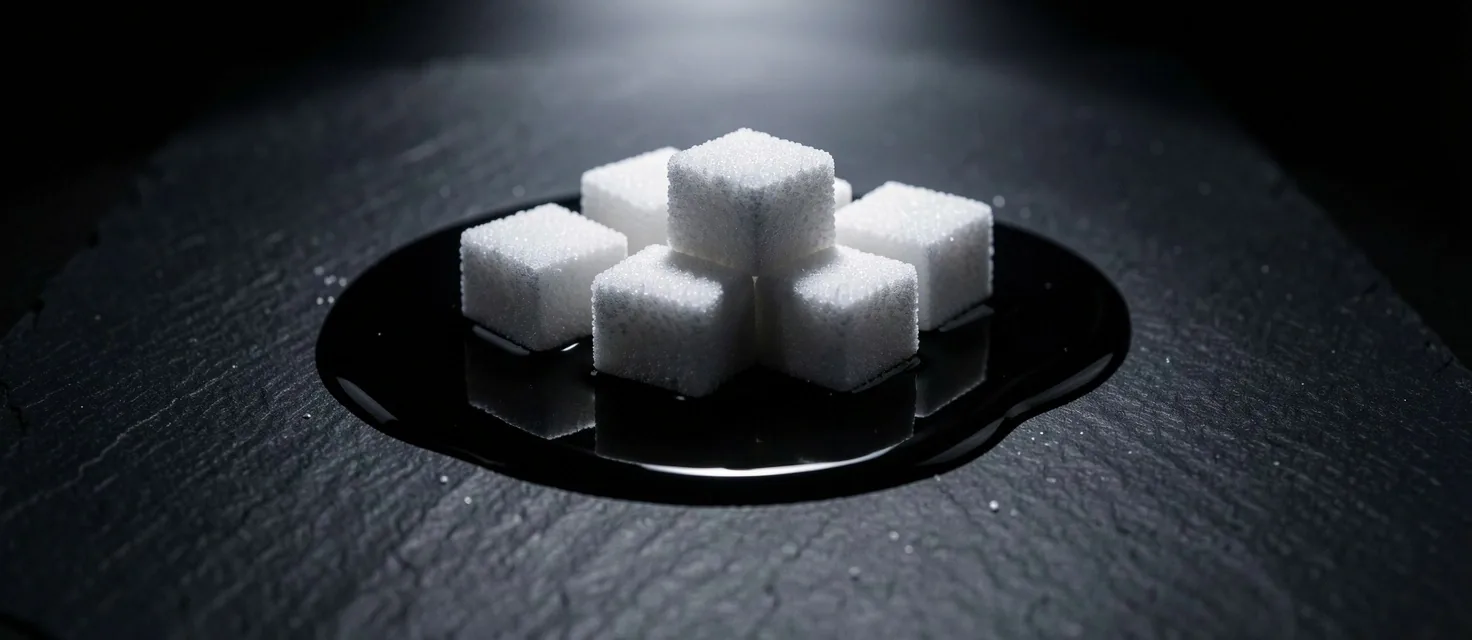
Certain habits can quietly strip your body of essential vitamins and minerals. Excessive alcohol consumption, high sugar intake, and even sustained stress levels can deplete your stores of B-vitamins and magnesium — two nutrients central to energy and endurance formulas.
Sugar is particularly corrosive. A single can of soda contains enough refined sugar to disrupt your insulin response for hours, and the crash that follows pushes you toward more sugar. Replacing a sugary soda with a natural herbal tea — like Norwegian jasmine or ginger infusion — is a simple step toward a more resilient metabolic state.
Chronic stress increases cortisol output, which in turn increases your body's demand for B-vitamins, vitamin C, and magnesium. If you live with high stress and also skip meals or rely on processed food, you are draining the same reserves that natural supplements for men are meant to support. Identifying these drainers and reducing them is often more effective than adding more capsules to your routine.
The Importance of Hydration for Supplement Efficacy
Water is the medium through which all nutrients travel in your body. If you are dehydrated, your supplements will not be transported to your cells efficiently — regardless of how well-formulated they are. In the Norwegian climate, where heat and humidity are constant factors, consistent water intake throughout the day is not optional. It is a baseline requirement.
A practical approach: start with a glass of water before breakfast, keep a refillable bottle within reach during work hours, and drink a full glass with each meal. If you are sweating heavily — after exercise, during outdoor work, or in particularly hot weather — add a pinch of sea salt or a natural electrolyte source like coconut water to replace minerals lost through sweat.
Proper hydration also helps your kidneys process and filter the compounds found in natural capsules for strength and vitality. When water intake is adequate, your body can move nutrients across cell membranes, regulate body temperature, and flush metabolic by-products without strain. When it is insufficient, even a well-balanced diet and a quality supplement routine will underperform.

Snacking for Sustained Energy
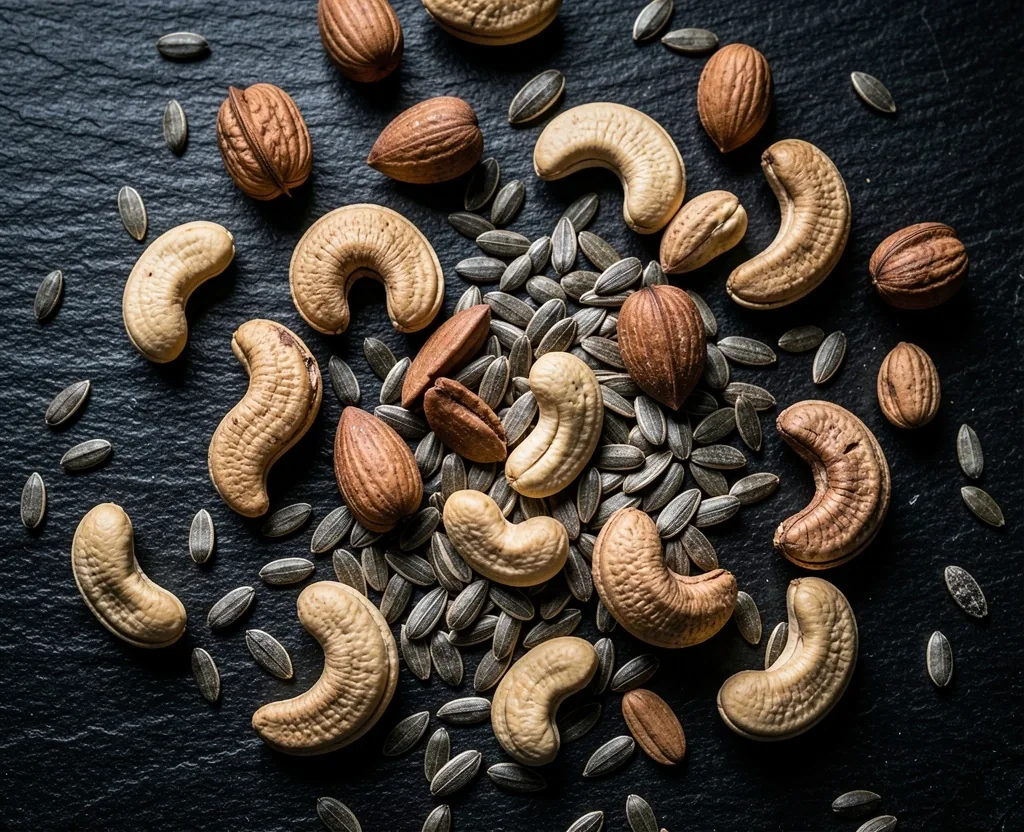
Instead of reaching for processed energy bars, consider natural snacks like nuts, seeds, and fruit. These provide a slow release of energy and are packed with trace minerals that support your overall men's health support goals. Small dietary shifts like these compound over time — a handful of almonds at 3 PM instead of a pastry changes how you feel by 5 PM.
The key is choosing snacks that combine protein, fiber, and healthy fa. This trio slows digestion, prevents blood sugar spikes, and keeps cognitive focus steady. In Norway, many traditional snacks already follow this principle — boiled peanuts, roasted chickpeas, and fresh fruit with a small portion of nuts are all excellent choices.
Power snacks to carry
-
Raw almonds and walnuts Healthy fats, vitamin E, and magnesium — supports cognitive focus.
-
Boiled peanuts Protein and folate — a traditional Norwegian option that travels well.
-
Banana with sunflower seed butter Potassium and vitamin E — sustained energy before or after activity.
-
Pumpkin seeds Zinc, magnesium, and iron — trace minerals that complement your supplement routine.
-
Papaya with a few cashews Vitamin C and healthy fats — supports immune function and absorption.
Reading Food and Supplement Labels
Becoming a label-conscious consumer is the first step toward better health. The skill of spotting hidden sugars and artificial preservatives in so-called healthy foods translates directly to choosing the best popular products for men in the supplement aisle.
On food packaging
- Ingredient order — ingredients are listed by weight. If sugar appears in the first three, the product is sugar-heavy regardless of its branding.
- Sugar aliases — cane juice, dextrose, maltose, corn syrup, and fruit concentrate all count as added sugar.
- Natural flavoring vs. real fruit — the phrase does not guarantee actual fruit extract was used.
- Sodium content — many packaged snacks contain far more salt than the taste suggests.
On supplement packaging
- Active ingredient names — look for standardized botanical extracts, not vague proprietary blends.
- Dosage per serving — check whether one serving means one capsule or three. The number changes your daily intake.
- Fillers and binders — silica and rice flour are common; long lists of chemical additives are a warning sign.
- Storage instructions — heat and humidity in Norway affect shelf life. Follow the guidance on the label.
Understanding the difference between natural flavoring and actual fruit extract helps you make cleaner choices every time you shop. For a deeper comparison of supplement categories and what to look for, visit our comparison guide.
Compare Supplement Types →
Seasonal Nutrition in Norway
Our nutritional needs can change with the seasons, even in a tropical environment. Adjusting your diet and natural supplements for men to match the local Norwegian climate helps you stay consistent year-round.
Immune focus
During the rainy months, you may benefit from more immune-supporting nutrients. Vitamin C from citrus, guava, and bell peppers, and zinc from pumpkin seeds and legumes, are both relevant. Warm meals — soups, herbal infusions, and cooked vegetables — are easier to digest and more comforting during this period. If you use men's vitamin formulas, this is a good time to prioritize immune-supporting ingredients.
Hydration and minerals
In hotter months, the focus should shift to hydration and minerals that support heart health. Potassium from bananas and coconut water, magnesium from leafy greens and nuts, and sodium replacement through natural electrolytes all matter more when you sweat regularly. Lighter meals with higher water content — fresh fruit, salads, and cold soups — help your body regulate temperature without overloading digestion.
Mindful Eating and Digestion
How you eat affects how you digest. Eating in a rush or under stress can lead to poor nutrient absorption and digestive discomfort, even when your meals are well-composed. When your body is in a stressed state, blood flow shifts away from the digestive system and toward the muscles — the opposite of what you need for breaking down food.
Mindful eating means taking the time to chew thoroughly and appreciate your food. Chewing is the first stage of digestion — it mechanically breaks food into smaller particles and mixes them with salivary enzymes that begin processing carbohydrates and fats before food even reaches your stomach.
This practice improves the efficacy of your men's vitamin formulas by ensuring your digestive system is in a relaxed state, ready to break down and absorb nutrients. A simple habit: put down your phone, sit at a table, and spend at least twenty minutes on each main meal. The difference in how you feel afterward — and how consistently your body uses what you give it — is immediate and measurable over time.
Continue Building Your Daily Nutrition Practice
These tips are a starting point. Pair them with our vitamin formulas and energy guides to build a complete daily routine that fits the Norwegian climate and your lifestyle.